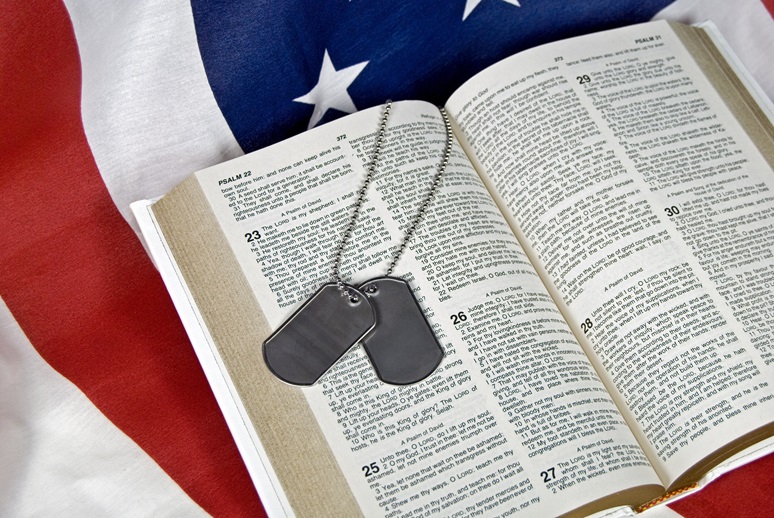



As the capital of the United States, Washington, D.C. is home to a large population of veterans who have served their country with honor and bravery. Unfortunately, many of these veterans also struggle with the invisible wounds of war, such as post-traumatic stress disorder (PTSD). PTSD is a mental health condition that can develop after experiencing a traumatic event, such as combat, and can have a profound impact on a veteran’s daily life.
In Washington, D.C., there are numerous resources available to help veterans cope with PTSD and other mental health issues. The Department of Veterans Affairs (VA) operates several medical centers and clinics in the area that offer specialized mental health services for veterans. These services may include individual counseling, group therapy, medication management, and other forms of support.
In addition to the VA, there are also many nonprofit organizations in Washington, D.C. that provide support and resources for veterans with PTSD. One such organization is the Wounded Warrior Project, which offers a variety of programs and services to help veterans heal from the physical and emotional wounds of war. Another organization, the Iraq and Afghanistan Veterans of America, provides peer support and advocacy for veterans of the recent conflicts in the Middle East.
Despite the availability of these resources, many veterans in Washington, D.C. still struggle to access the care they need for PTSD. There are several barriers that can prevent veterans from seeking help, including stigma, lack of awareness, and logistical challenges. Some veterans may be hesitant to seek treatment for fear of being seen as weak or unstable, while others may simply not know where to turn for help.
To address these barriers, the VA and other organizations in Washington, D.C. are working to raise awareness about PTSD and reduce the stigma surrounding mental health issues. They are reaching out to veterans through outreach programs, community events, and social media campaigns to let them know that help is available and that seeking treatment is a sign of strength, not weakness.
In addition to raising awareness, the VA is also working to improve access to care for veterans with PTSD. They are expanding their telehealth services to reach veterans in remote areas, offering more flexible appointment times, and hiring more mental health providers to reduce wait times for treatment. These efforts are helping to ensure that veterans in Washington, D.C. can get the help they need when they need it.
Overall, the issue of veterans with PTSD in Washington, D.C. is a complex and multifaceted one. While there are many resources available to help veterans cope with the challenges of PTSD, there are still barriers that prevent some veterans from accessing the care they need. By working together to raise awareness, reduce stigma, and improve access to care, we can ensure that all veterans in Washington, D.C. receive the support they deserve as they continue their journey toward healing and recovery.
Search for Veterans PTSD in Washington, District of Columbia 20017
[Google] [YouTube] [Bing] [Yahoo] [Veterans PTSD in Washington, District of Columbia 20017]