

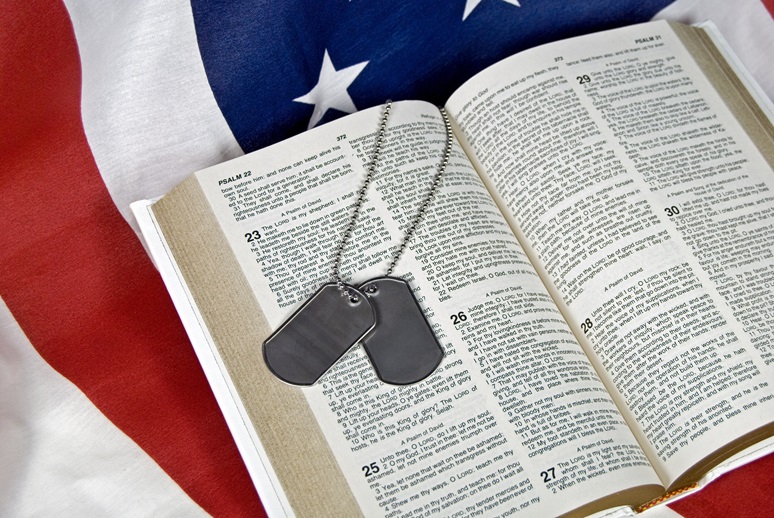
Great Falls, Montana is home to many military veterans who have bravely served our country. Unfortunately, a significant number of these veterans are also dealing with the invisible wounds of war – Post-Traumatic Stress Disorder (PTSD). This mental health condition can have a profound impact on a person’s life, affecting their relationships, work, and overall well-being. In Great Falls, there are resources available to help veterans cope with PTSD and regain control of their lives.
One of the main challenges for veterans with PTSD is the stigma surrounding mental health issues. Many veterans may feel ashamed or embarrassed to seek help, believing that they should be able to tough it out on their own. However, this mindset only serves to perpetuate the cycle of suffering. It is important for veterans to know that seeking help is a sign of strength, not weakness. There are many organizations in Great Falls that provide support and counseling specifically tailored to the unique experiences of veterans.
The Great Falls VA Clinic is one such resource for veterans in the area. This clinic offers a variety of services, including mental health counseling, group therapy, and medication management. The staff at the VA Clinic are trained to work with veterans who have experienced trauma and understand the complexities of PTSD. They can help veterans develop coping strategies, manage symptoms, and work towards healing.
In addition to the VA Clinic, there are several non-profit organizations in Great Falls that provide support to veterans with PTSD. The Montana Veterans Foundation, for example, offers peer support groups, wellness programs, and referrals to mental health services. These organizations create a sense of community and understanding for veterans who may feel isolated or alone in their struggles.
One of the key components of PTSD treatment is therapy. Cognitive Behavioral Therapy (CBT) has been shown to be particularly effective in helping veterans manage their symptoms and improve their quality of life. Through CBT, veterans can learn to identify and challenge negative thought patterns, develop healthy coping mechanisms, and gradually confront the traumatic memories that are causing them distress.
Another important aspect of PTSD treatment is medication. Antidepressants and anti-anxiety medications can help alleviate some of the symptoms of PTSD, such as depression, anxiety, and insomnia. However, medication should always be used in conjunction with therapy and other forms of support, as it is not a cure-all solution.
It is crucial for veterans with PTSD to have a strong support system in place. Family and friends can play a vital role in helping veterans through their recovery process. By being understanding, patient, and compassionate, loved ones can provide the emotional support that is needed to navigate the challenges of PTSD.
In conclusion, veterans with PTSD in Great Falls, Montana have access to a variety of resources and support services to help them on their journey towards healing. By seeking help, developing coping strategies, and building a strong support system, veterans can learn to manage their symptoms and reclaim their lives. It is important for the community to come together and support our veterans in their time of need. Together, we can make a difference in the lives of those who have sacrificed so much for our country.
Search for Veterans PTSD in Great Falls, Montana 59404
This matters more than it seems because weak decisions here usually create bigger downstream problems. [Google] [YouTube] [Bing] [Yahoo] [Veterans PTSD in Great Falls, Montana 59404]