

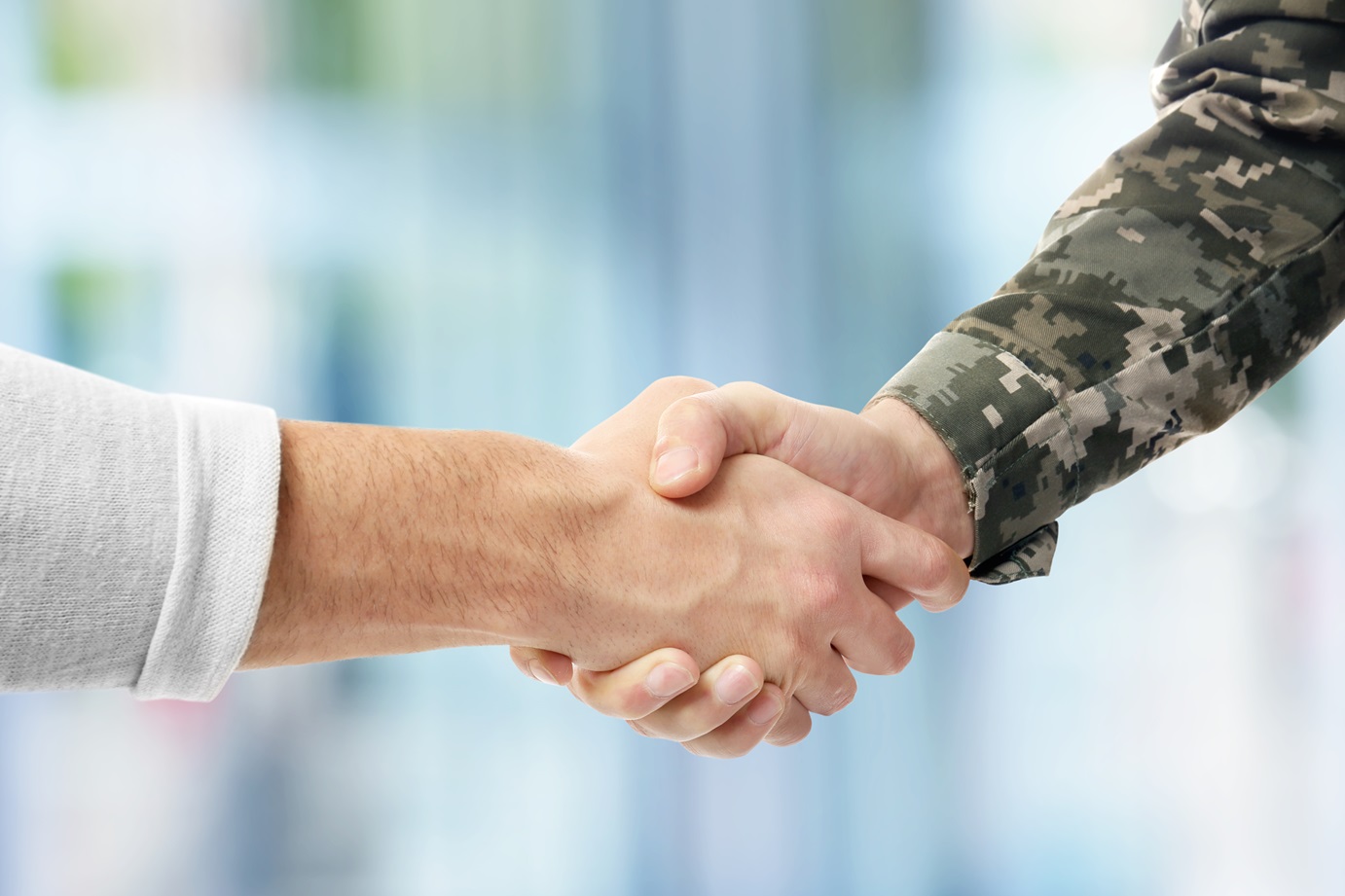
In the picturesque city of Duluth, Minnesota, nestled on the shores of Lake Superior, there lies a silent struggle that often goes unnoticed by the casual passerby. This struggle is the battle with post-traumatic stress disorder (PTSD) that many veterans in the area face on a daily basis. Duluth, like many other cities across the United States, is home to a community of brave men and women who have served their country in the armed forces, only to return home to a new kind of war – one that rages in their minds and hearts.
PTSD is a mental health condition that can develop after experiencing or witnessing a traumatic event, such as combat, natural disasters, or personal assaults. For veterans who have served in the military, the risk of developing PTSD is particularly high due to the nature of their experiences in war zones. The symptoms of PTSD can be debilitating, ranging from flashbacks and nightmares to severe anxiety and depression. These symptoms can have a profound impact on all aspects of a veteran’s life, making it difficult to hold down a job, maintain relationships, or even leave the house.
In Duluth, there are numerous resources available to help veterans cope with their PTSD and regain control of their lives. The local Veterans Affairs (VA) clinic offers a variety of services, including individual therapy, group therapy, medication management, and support groups. Additionally, there are several non-profit organizations in the area that provide specialized programs for veterans with PTSD, such as equine therapy, art therapy, and outdoor adventure therapy. These programs offer veterans a safe space to process their trauma and learn coping skills in a supportive environment.
One such organization is the Northland Veterans Services, which was founded by a group of veterans who wanted to create a community where their fellow service members could find healing and support. The organization offers a range of programs and services, including peer support groups, job training, and recreational activities. One of their most popular programs is the annual Veterans Retreat, where veterans can participate in outdoor activities such as fishing, hiking, and camping while connecting with other veterans who understand their struggles.
Despite the availability of resources in Duluth, many veterans still face barriers to seeking help for their PTSD. Stigma surrounding mental health issues remains a major obstacle for veterans, who may feel ashamed or weak for needing support. Additionally, the shortage of mental health providers in the area can result in long wait times for appointments, leaving veterans feeling frustrated and hopeless.
One local veteran, John, shared his experience with PTSD and the challenges he has faced in seeking treatment. “I served two tours in Iraq, and when I came home, I couldn’t shake the memories of what I saw and did over there,” he said. “I tried to cope on my own for years, but it just got worse. Finally, I reached out to the VA for help, and it was the best decision I ever made. I still have bad days, but I know I’m not alone anymore.”
As a community, it is important for us to support our veterans and raise awareness about the prevalence of PTSD among this population. By educating ourselves about the signs and symptoms of PTSD, we can better understand the struggles that veterans face and offer them the compassion and resources they need to heal. Together, we can create a more welcoming and inclusive environment for our veterans in Duluth and ensure that they receive the care and support they deserve.
Search for Veterans PTSD in Duluth, Minnesota 55805
This matters more than it seems because weak decisions here usually create bigger downstream problems. [Google] [YouTube] [Bing] [Yahoo] [Veterans PTSD in Duluth, Minnesota 55805]