
Living in Baltimore, Maryland, can be a challenging experience for many veterans who are dealing with post-traumatic stress disorder (PTSD). The city’s high crime rates, poverty levels, and lack of access to mental health resources can exacerbate the symptoms of PTSD for those who have served in the military. This article will explore the unique challenges that veterans with PTSD face in Baltimore and highlight some of the ways that the community is working to support them.
According to the U.S. Department of Veterans Affairs, PTSD affects around 11-20% of veterans who served in Operation Enduring Freedom and Operation Iraqi Freedom. These veterans may experience symptoms such as flashbacks, nightmares, anxiety, and depression, which can make it difficult for them to adjust to civilian life. In Baltimore, where the crime rate is one of the highest in the country, these symptoms can be triggered by everyday experiences such as loud noises, crowded spaces, or interactions with law enforcement.
One of the main challenges for veterans with PTSD in Baltimore is the lack of access to mental health resources. According to a report by the Baltimore City Health Department, there are only 1.5 mental health providers for every 1,000 residents in the city, making it difficult for veterans to find the help they need. Many veterans also face barriers to accessing care, such as long wait times, limited transportation options, and stigma around seeking help for mental health issues.
To address these challenges, the Baltimore VA Medical Center offers a range of mental health services for veterans with PTSD, including individual therapy, group therapy, and medication management. The center also has a PTSD clinic that provides specialized care for veterans who have experienced trauma during their military service. In addition to these clinical services, the center offers peer support groups, recreational therapy, and other holistic approaches to treating PTSD.
In recent years, the Baltimore community has also taken steps to support veterans with PTSD. The Baltimore City Health Department has launched a campaign to raise awareness about mental health issues and reduce the stigma around seeking help. The city has also partnered with local organizations, such as the Veterans Crisis Line and the Maryland Center for Veterans Education and Training, to provide resources and support for veterans in need.
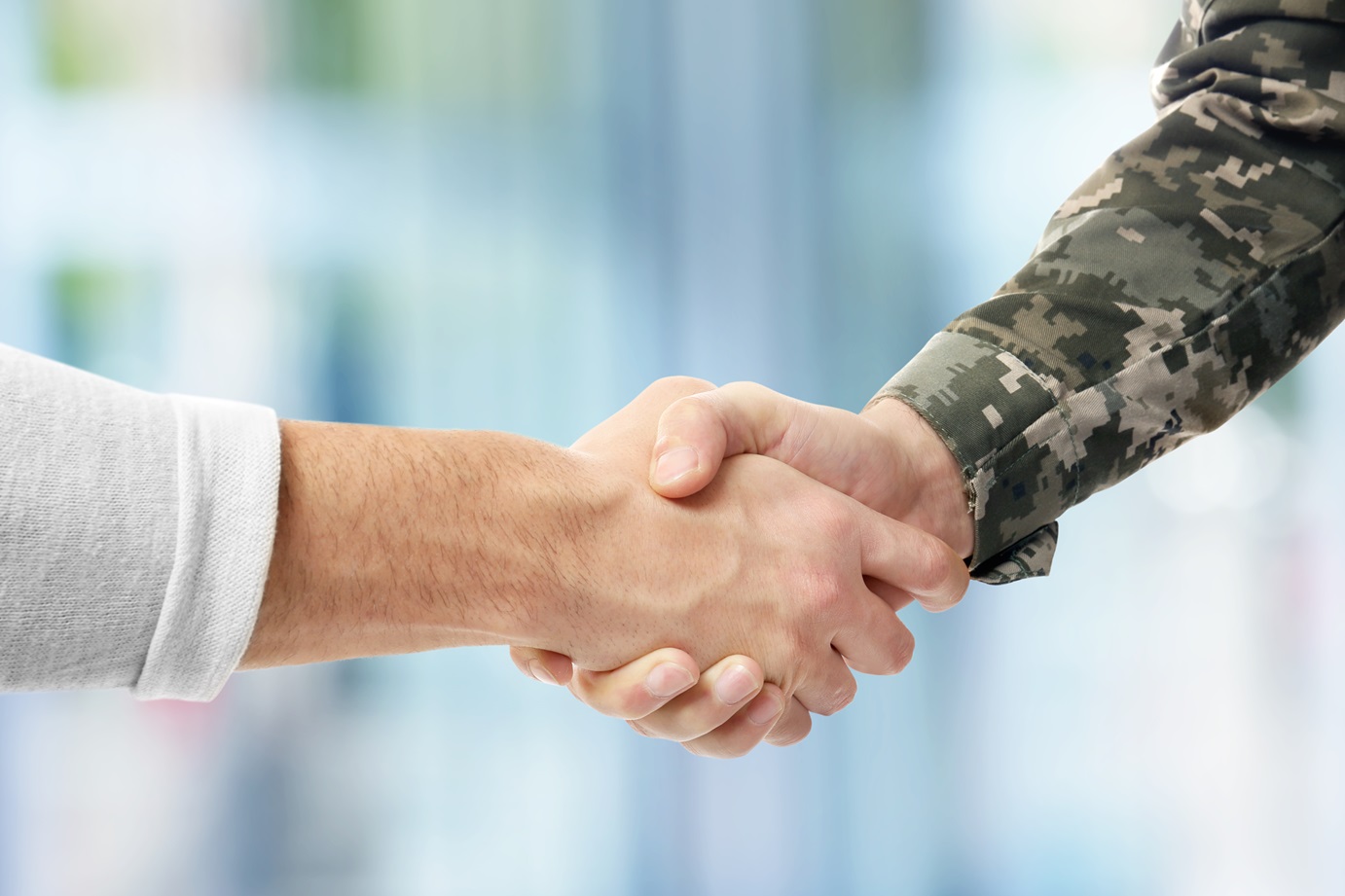
One of the most effective ways that the community can support veterans with PTSD is by creating a welcoming and inclusive environment. This can be as simple as offering a listening ear or a helping hand to a veteran in need. By showing empathy and understanding, we can help veterans feel less isolated and more connected to their community.
In conclusion, veterans with PTSD in Baltimore face unique challenges due to the city’s high crime rates, poverty levels, and lack of access to mental health resources. However, with the support of the Baltimore VA Medical Center, local organizations, and the community, veterans can find the help they need to manage their symptoms and thrive in civilian life. By raising awareness, reducing stigma, and offering support, we can create a more inclusive and supportive environment for veterans with PTSD in Baltimore.
Search for Veterans PTSD in Baltimore, Maryland 21240
This matters more than it seems because weak decisions here usually create bigger downstream problems. [Google] [YouTube] [Bing] [Yahoo] [Veterans PTSD in Baltimore, Maryland 21240]