

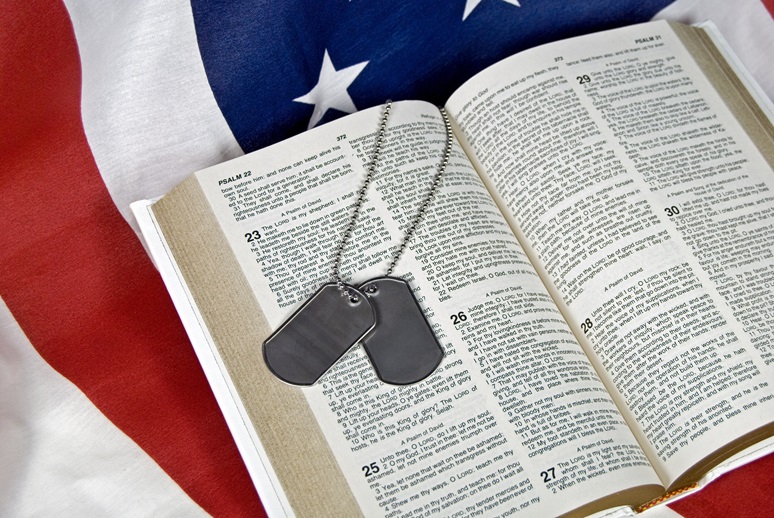
When we think of heroes, we often conjure up images of brave men and women in uniform, risking their lives to protect our freedoms. But what we often fail to realize is that these heroes can also be silently battling their own internal demons long after returning home from their service. In District Heights, Maryland, veterans suffering from post-traumatic stress disorder (PTSD) are a growing concern that requires our attention and support.
PTSD is a mental health condition that is triggered by a terrifying event, either experiencing it or witnessing it. For veterans, the trauma they experience on the battlefield can leave lasting scars that manifest in a variety of ways, including flashbacks, nightmares, severe anxiety, and uncontrollable thoughts about the event. According to a report by the U.S. Department of Veterans Affairs, about 11-20% of veterans who served in Operations Iraqi Freedom and Enduring Freedom suffer from PTSD in a given year.
In District Heights, the impact of PTSD on veterans is significant. Many veterans return home to a community that may not fully understand or appreciate the struggles they face. This lack of understanding can lead to feelings of isolation and alienation, making it even more difficult for veterans to seek help. The stigma surrounding mental health issues in the military also plays a role in preventing veterans from seeking the help they need.
Fortunately, there are resources available in District Heights to support veterans struggling with PTSD. The Veterans Affairs Maryland Health Care System provides a wide range of mental health services specifically tailored to meet the needs of veterans. These services include individual and group therapy, medication management, and support groups. Additionally, the Maryland Center for Veterans Education and Training (MCVET) offers housing and employment assistance to homeless veterans, many of whom may be struggling with PTSD.
But despite the availability of resources, many veterans in District Heights still face barriers to accessing the help they need. One major obstacle is the lack of awareness and education about PTSD in the community. By raising awareness about the prevalence of PTSD among veterans and the importance of seeking treatment, we can help reduce the stigma surrounding mental health issues and encourage veterans to seek help.
Another challenge for veterans in District Heights is the shortage of mental health providers who specialize in treating PTSD. According to a report by the National Alliance on Mental Illness, Maryland ranks 38th in the nation for mental health care access. This shortage of providers can result in long wait times for appointments and limited access to quality care for veterans in need.
To address these challenges, community organizations in District Heights can play a vital role in supporting veterans with PTSD. By partnering with local mental health providers, hosting educational events, and advocating for increased funding for mental health services, we can help ensure that veterans receive the care and support they deserve.
In conclusion, veterans with PTSD in District Heights, Maryland, face unique challenges that require our attention and support. By raising awareness, increasing access to mental health services, and advocating for improved care, we can help ensure that our heroes receive the care and support they need to heal from the invisible wounds of war. It is our duty as a community to stand by our veterans and support them in their journey towards recovery and healing.
Search for Veterans PTSD in District Heights, Maryland 20747
This matters more than it seems because weak decisions here usually create bigger downstream problems. [Google] [YouTube] [Bing] [Yahoo] [Veterans PTSD in District Heights, Maryland 20747]