

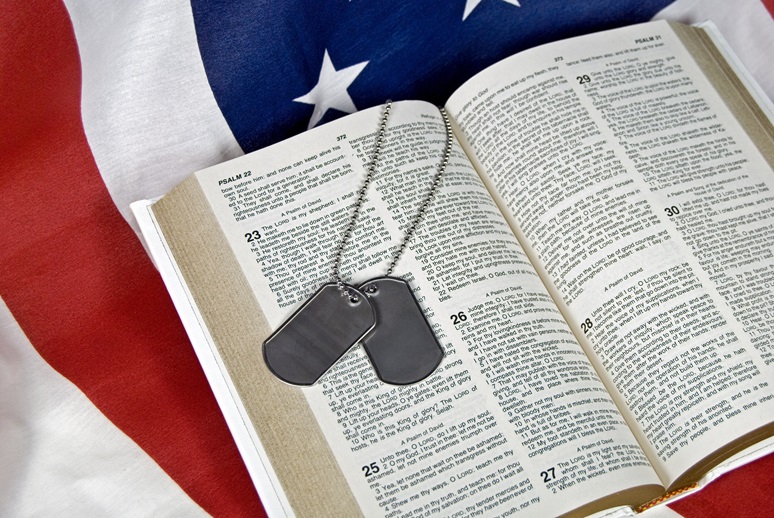
Lancaster, Pennsylvania, known for its picturesque farmlands and quaint Amish communities, may not immediately come to mind when thinking about the challenges faced by veterans struggling with PTSD. However, like many other communities across the country, Lancaster is home to a significant number of veterans who are grappling with the invisible wounds of war.
According to the U.S. Department of Veterans Affairs, approximately 20% of veterans who served in Iraq and Afghanistan suffer from PTSD. In Lancaster County alone, there are over 28,000 veterans, many of whom have been exposed to traumatic events during their service. These experiences can have a lasting impact on their mental health, leading to symptoms such as flashbacks, nightmares, and hypervigilance.
One local organization that is dedicated to supporting veterans with PTSD is the Lancaster County Veterans Court. This specialized court program aims to divert veterans who have been charged with non-violent offenses away from the traditional criminal justice system and towards treatment and support services. By providing veterans with access to mental health treatment, substance abuse counseling, and housing assistance, the Veterans Court helps them address the underlying issues that may be contributing to their legal troubles.
Another resource for veterans in Lancaster is the Lebanon VA Medical Center, which offers a range of mental health services specifically tailored to the needs of veterans. From individual therapy sessions to group counseling programs, the VA Medical Center provides a safe and supportive environment for veterans to address their PTSD symptoms and work towards recovery.
In addition to these formal support systems, many veterans in Lancaster find solace in connecting with their fellow service members through local organizations like the Lancaster County Veterans Affairs Office and the American Legion. These groups provide a sense of camaraderie and understanding that can be invaluable for veterans who are struggling with PTSD.
Despite the availability of these resources, many veterans in Lancaster still face barriers to accessing the care they need. Stigma surrounding mental health issues continues to be a major obstacle for veterans who may be hesitant to seek help due to fear of judgment or perceived weakness. Additionally, long wait times for appointments and limited availability of mental health providers can further complicate veterans’ efforts to get the support they need.
One veteran who has overcome these challenges is John, a Marine Corps veteran who served two tours in Iraq. After returning home, John struggled with severe PTSD symptoms, including debilitating flashbacks and nightmares. It wasn’t until he connected with the Veterans Court and started receiving therapy at the VA Medical Center that he began to see improvements in his mental health.
“I was hesitant to seek help at first, but I’m so grateful that I did,” John says. “The support I’ve received from the Veterans Court and the VA has been life-changing. I’m finally starting to feel like myself again.”
As we continue to honor and support our veterans in Lancaster, it’s important to remember that PTSD is a complex and multifaceted condition that requires a comprehensive approach to treatment. By raising awareness about the challenges faced by veterans with PTSD and advocating for increased access to mental health services, we can help ensure that all veterans in our community receive the care and support they deserve.
Search for Veterans PTSD in Lancaster, Pennsylvania 17603
This matters more than it seems because weak decisions here usually create bigger downstream problems. [Google] [YouTube] [Bing] [Yahoo] [Veterans PTSD in Lancaster, Pennsylvania 17603]